Pickup Trucks
Older Fords, Chevrolets, Rams, Toyotas, Nissans and more, including high-mileage and non-running pickups.
Old trucks. Real value.
That old truck isn’t getting any younger. If it’s been parked for months, needs more repairs than it’s worth, or is simply taking up space, tell us what you’ve got. We buy pickups, work trucks, box trucks, dump trucks, semis and other commercial vehicles across Metro Vancouver and the Fraser Valley.
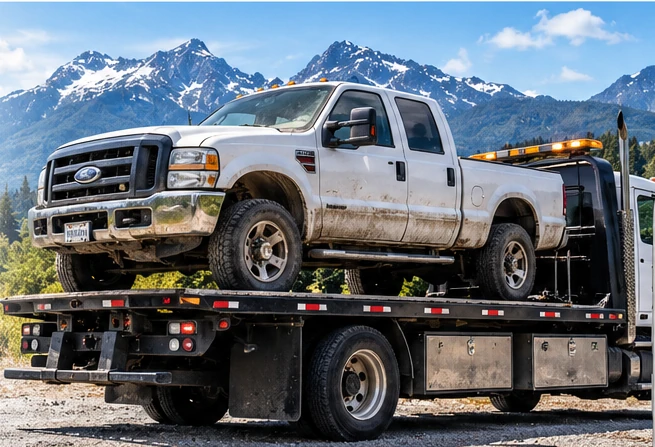
Truck removal without the runaround
Not every truck headed for recycling is going to win a beauty contest. Blown engine? Failed transmission? Rust? Collision damage? Missing parts? High mileage? Tell us. The more we know up front, the easier it is to figure out whether the truck makes sense to buy and what kind of pickup equipment is needed.
Send the year, make, model, condition, location and photos. If it rolls or steers, mention that too.
Value depends on the type of truck, completeness, condition, access, distance and recoverable parts or metal.
A pickup in an open driveway is different from a heavy truck tucked behind a shop. Access matters.
Usable components may be recovered and the rest directed through appropriate recycling channels.
Trucks we buy
One truck or a yard full of them — we deal with a wide range of light, medium and heavy-duty vehicles.
Older Fords, Chevrolets, Rams, Toyotas, Nissans and more, including high-mileage and non-running pickups.
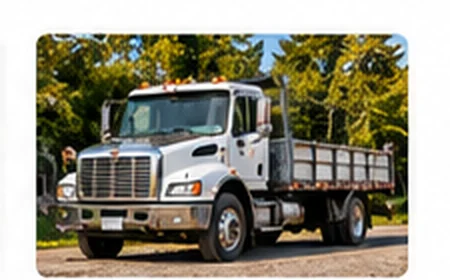
Cube vans, delivery trucks and straight trucks that are retired, damaged or no longer worth repairing.
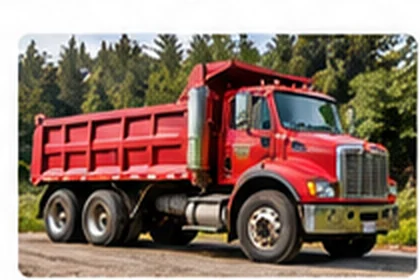
Dump bodies, utility trucks, flatbeds, service trucks and former contractor vehicles.
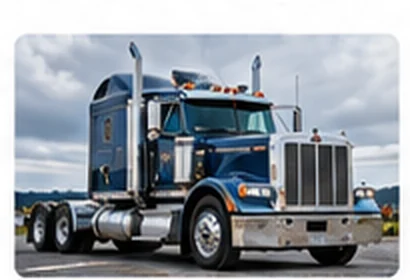
Day cabs, tractors and other heavy commercial trucks considered based on condition and location.
Why truck owners call
Old trucks are good at disappearing into the background. They sit behind a shop, beside a barn or at the edge of a yard until they become part of the scenery.
If the truck is no longer earning its keep, we can help turn it into space, recoverable value and one less thing on the list.
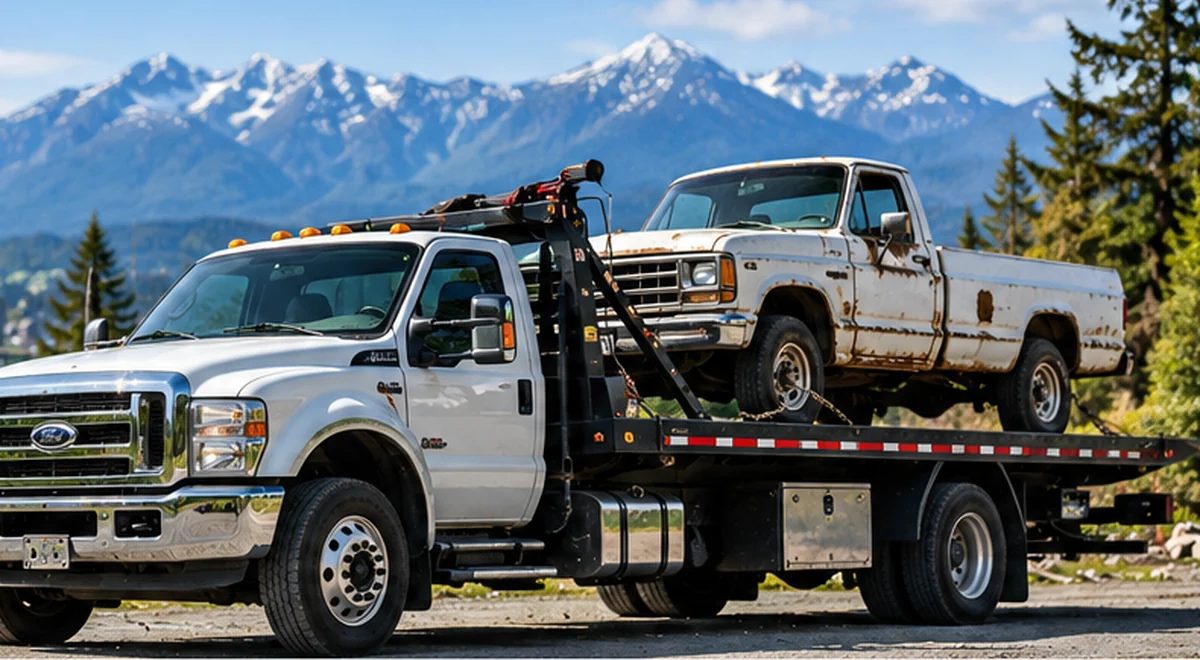
For contractors & businesses
A retired fleet can consume a surprising amount of useful space. We work with businesses clearing old work trucks, delivery vehicles and commercial units, including multiple-truck removals where practical.
Commercial Truck RemovalQuestions we hear all the time
Old trucks come with all kinds of stories — and usually a few questions. Here are the practical answers people want before arranging a pickup.
Yes. A truck does not need to start, drive or be roadworthy to be considered. Tell us what is wrong with it, whether it rolls or steers, and where it is parked so we can work out the right pickup approach.
We consider pickups, work trucks, box trucks, cube vans, dump trucks, semi tractors and other commercial vehicles. Running, damaged, high-mileage, incomplete and end-of-life trucks can all be worth asking about.
Send the year, make, model, pickup location and a few clear photos. Let us know whether the truck runs, rolls and steers, plus any major damage or missing parts. Better information usually means a faster answer.
We buy trucks that make sense for recovery, parts or recycling. The offer depends on the truck itself — including type, condition, completeness, location, access and what can reasonably be recovered from it.
Yes. We can assess a single old pickup or multiple retired work and fleet trucks. If you are clearing a yard or replacing several commercial vehicles, send us the details for the whole group so pickup can be planned efficiently.
Our core service area is Metro Vancouver and the Fraser Valley. Pickups elsewhere in British Columbia may be possible depending on the truck, distance and logistics, so it is still worth contacting us with the location.
No, but access matters. A truck sitting in an open driveway is simpler to collect than one behind a building, in a muddy yard or in a tight space. Photos of the truck and its surroundings help us understand what equipment may be needed.
Depending on its condition, usable components may be recovered before the remaining material moves through appropriate recycling channels. The goal is to recover useful value from the truck rather than simply treating the entire vehicle as waste.